What to Wear for Headshots: A Simple Guide by Industry
What to wear for headshots comes down to color, fit and industry norms. See the best choices, what to avoid, and how to nail your next photo.

8 min read
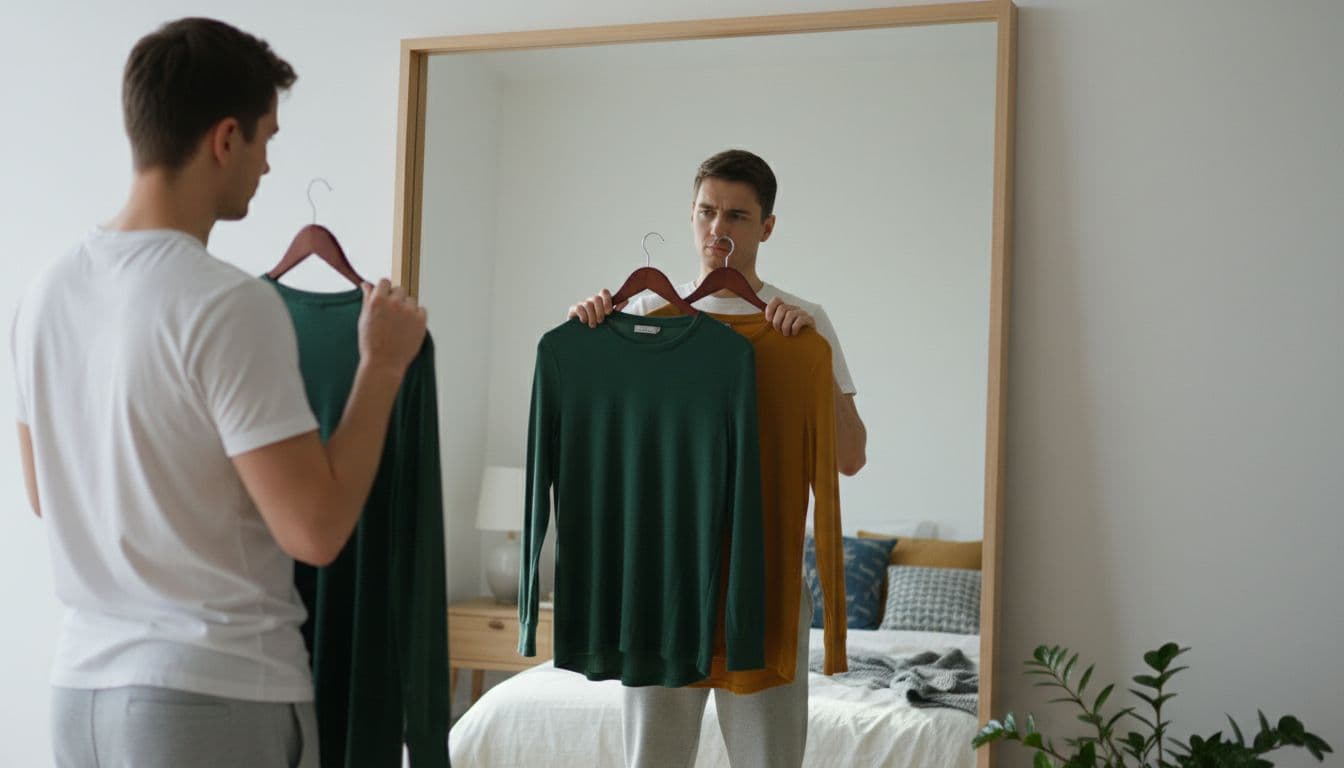
What to wear for headshots comes down to three choices: a single solid color, clothing that fits you right now, and a level of formality that matches your industry. Get those three right and the outfit fades into the background, so your face and expression are what people remember.
A headshot outfit is a small, deliberate set of clothing choices made for one specific photo — the picture that will represent you on a resume, a company page, LinkedIn, or a dating profile. People judge competence and trustworthiness from a face in a fraction of a second, according to Harvard Business Review, and clothing is part of that first impression before anyone reads a word you've written. This guide covers the colors that photograph well, the patterns worth avoiding, what changes by industry, and the small fit and grooming details that make the biggest difference.
What to Wear for Headshots: The Quick Rules
If you only remember five things, remember these. They apply whether you're sitting for a photographer this week or building a headshot with an AI photo app tonight.
- Choose one solid color. A single, unbroken color keeps attention on your face instead of your shirt.
- Pick a mid-tone. Colors that are neither stark white nor pure black photograph more evenly and forgive small lighting differences.
- Make sure it fits today. A blazer that fit two years ago can pull, gap, or bunch in ways a still photo makes obvious.
- Keep accessories minimal. One simple watch or a small pair of earrings is plenty; anything louder competes with your expression.
- Match your industry, not just "professional." A tech headshot and a law-firm headshot can both look professional without looking the same.
The Best Colors for a Professional Headshot
Some colors consistently photograph better than others, regardless of your skin tone, and they look best against the right backdrop — see the best background for headshots for pairings. Aim for one of these:
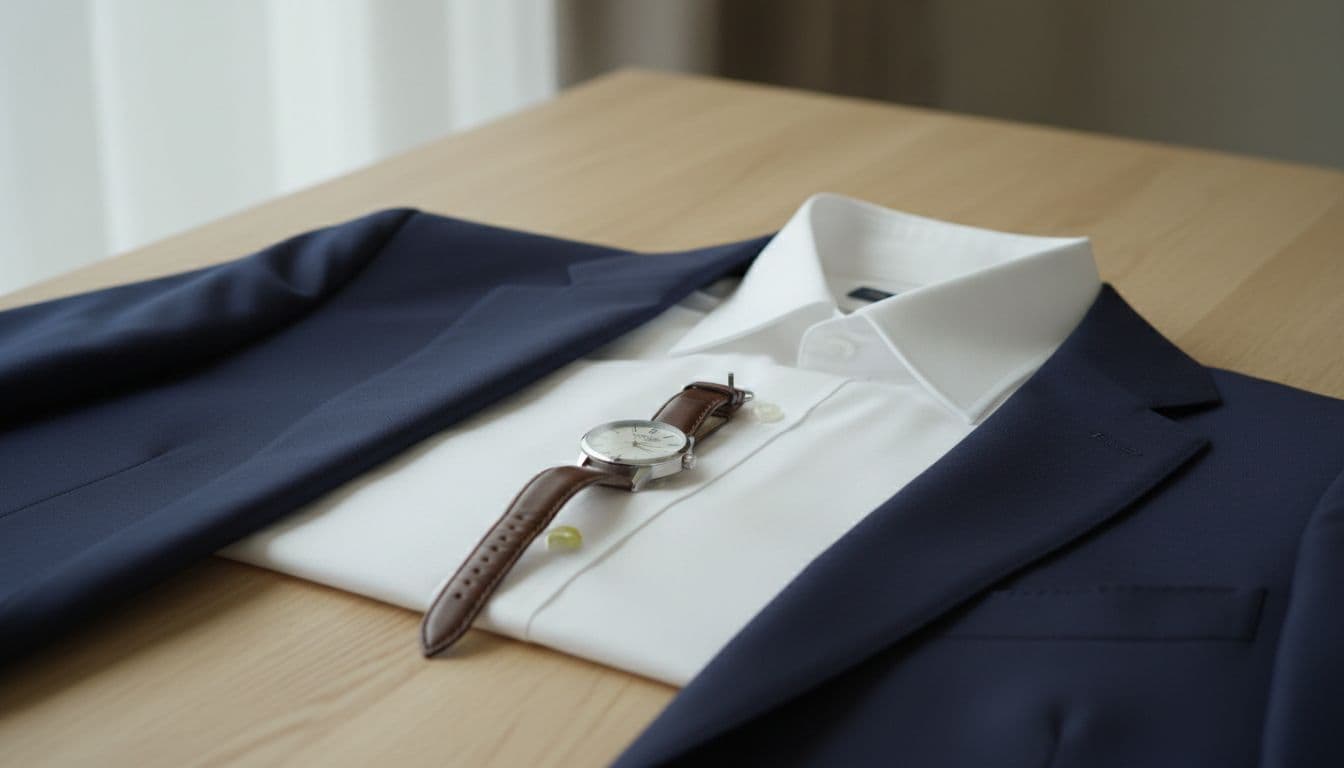
- Navy. Reads as confident and calm without feeling severe, and photographs well against almost any background.
- Charcoal gray. A safe, modern neutral that works for nearly every industry and lighting setup.
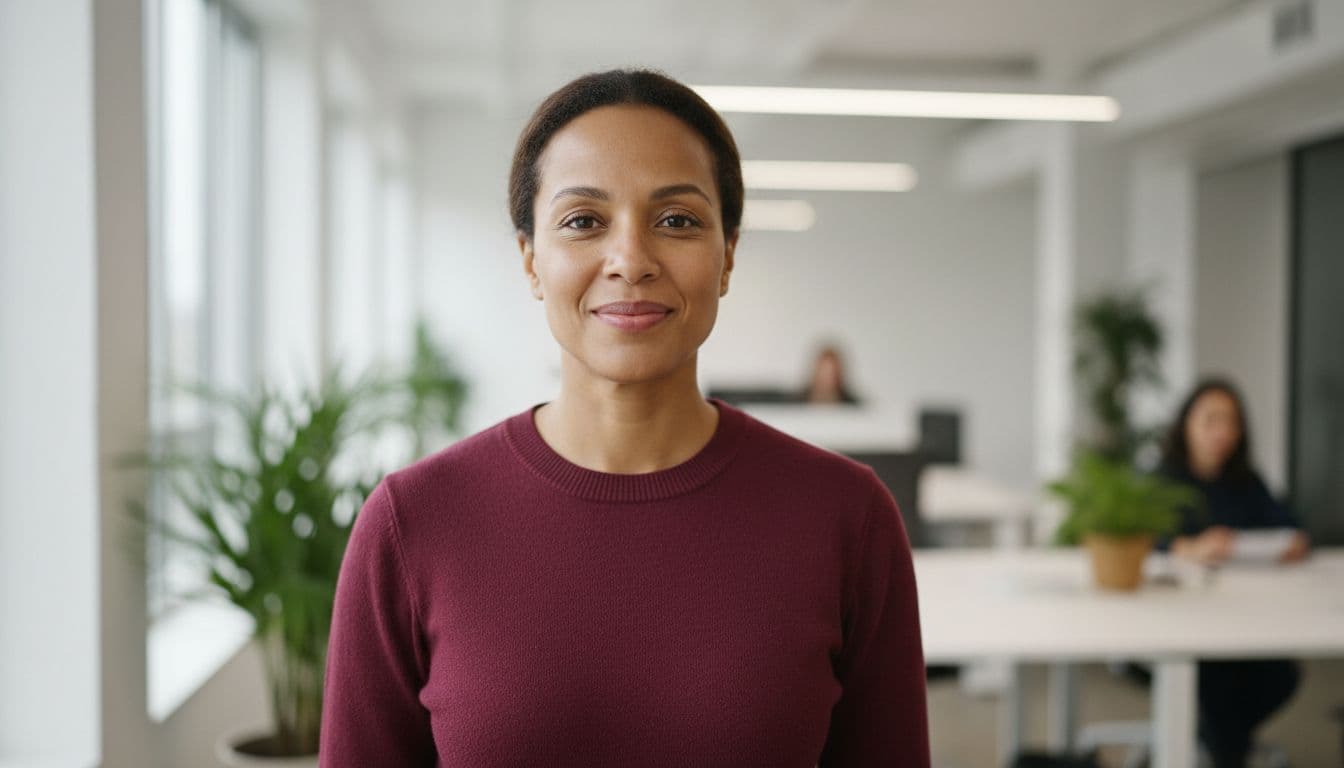
- Burgundy or deep wine. Adds warmth and a bit of personality while staying professional.
- Forest or hunter green. An understated alternative to navy that still feels grounded and current.
- Soft or dusty blue. Slightly softer than navy, and often flattering under warm indoor light.
Whatever color you land on, choose it based on what looks good against your own skin tone and hair color first — the "best" color on any list is only useful if it's actually the best one on you.
Colors and Patterns to Avoid
A few choices reliably work against you in a still photo, even when they look fine in person:
- Pure white. Can overexpose against bright studio or window light, washing out detail in the fabric.
- Pure black. Absorbs light unevenly and can flatten into a shapeless block, especially on video or a phone camera.
- Fine stripes, small checks, or houndstooth. These tight, repeating patterns can create a shimmering distortion on camera called a moire effect, an artifact photographers and video producers specifically dress around.
- Large logos or busy graphics. They draw the eye away from your face, which defeats the purpose of a headshot.
- Anything that doesn't fit right now. A borrowed blazer or an old favorite that's since gotten snug reads as posture problems in a photo, even if you don't notice them in the mirror.
What to Wear for a Headshot by Industry
"Professional" looks different depending on the room you're walking into. Here's how the same principles play out across common fields.
| Industry | What to Wear | Why It Works |
|---|---|---|
| Corporate & Finance | Tailored blazer in navy or charcoal, collared shirt underneath | Signals the formality and attention to detail expected in client-facing finance and legal roles |
| Tech & Startups | Solid crewneck sweater, quality t-shirt, or open-collar shirt | Matches a famously casual culture; overdressing here can look out of touch |
| Creative & Marketing | A solid color with more personality, such as burgundy or forest green | Shows individuality without losing polish; plain black or gray can read as flat |
| Healthcare | Collared shirt or blouse in a calm mid-tone, no scrubs unless it's a clinical role | Reads as approachable and trustworthy, matching how patients expect to see a provider |
| Education & Nonprofit | Business casual: blazer optional, solid shirt or blouse | Approachable but still credible for a faculty page, donor materials, or a grant application |
| Customer-Facing Sales | Blazer or structured top in a confident mid-tone like navy or burgundy | Projects the same trustworthy first impression you're asking a client to extend to you |
When your field doesn't map neatly onto one of these, the safest default is a solid navy or charcoal top — it under-dresses for almost nothing and over-dresses for almost nothing. If you work in real estate specifically, our guide to real estate agent headshots goes deeper on wardrobe choices for that field.

Fit, Fabric and Grooming Details That Matter
The outfit itself is maybe sixty percent of the picture — how it's worn and finished makes up the rest.
A jacket or shirt should sit flat across the shoulders with no pulling at the buttons; the day of a photo session is not the moment to test whether that blazer still fits. Natural fibers like cotton and wool press more predictably and photograph with a softer texture than synthetic blends, which can pick up an unwanted sheen under studio lighting. Steam or iron the outfit the night before, since a still photo freezes every wrinkle in place. Hair should look like an ordinary good day rather than a special-occasion style you'll never repeat, and the same goes for makeup — a little more than usual is normal for photos, since studio and camera lighting tend to flatten color and detail.
Common Headshot Outfit Mistakes
- Buying something new the morning of. New clothes can still have fold lines, tags, or an unfamiliar fit that shows up in every shot.
- Matching your outfit to a photo you saw once. A color that flattered someone else's skin tone and lighting setup won't automatically flatter yours.
- Ignoring the background. A navy shirt against a navy backdrop can blend together in a way you won't notice until you see the finished photo.
- Over-accessorizing. Statement necklaces, patterned ties, or large earrings often read as more distracting on camera than they feel in person.
- Skipping a trial run. A quick photo on your phone in the outfit and lighting you plan to use catches problems before the real session.
What if You're Not Sure What Your Workplace Expects?
Not every workplace publishes a dress code, and "business casual" itself has no single agreed-upon definition. Wikipedia's overview of business casual attire notes that the term varies significantly by company, region, and even country, though it generally centers on dress shirts, blouses, and slacks worn without a full suit. Duke University's Career Hub attire guide puts the underlying logic simply: choose colors and a level of formality that fit your specific field, since a conservative industry like finance or law rewards subdued tones while a creative field allows more room for color and personality.
If you're unsure which side of that line your workplace falls on, the fastest way to find out is to look at how people already in similar roles present themselves — a company's own team page, LinkedIn profiles in your target role, or a quick question to a colleague are all faster and more reliable than guessing from a generic style guide, this one included.
How SelfAI Makes Getting Your Look Right Effortless
SelfAI - AI Photo Studio is an AI photo app that turns a handful of ordinary selfies into a polished professional headshot in about two minutes, on iPhone or the web, without you needing to own the perfect blazer or book a stylist first.
Because SelfAI generates the finished outfit, background, and lighting for you from dozens of photo styles, you can see how you'd actually look in a navy corporate look, a creative-industry outfit, or a softer business-casual top, then pick whichever one matches your field, instead of buying and returning clothes to find out. If you're still deciding whether an AI photo or a traditional session is the better fit, our guide to what to look for in an AI photo app breaks down the criteria that matter, and our LinkedIn profile photo guide covers how the right outfit and the right platform work together. Before you start, it also helps to know how to take selfies that make great source photos.

Whatever you end up wearing, the outfit is only doing its job when nobody notices it — when the photo simply reads as you, at your most put-together, on an ordinary good day.
Frequently Asked Questions
What should I wear for a headshot?
Wear a single solid, mid-tone color such as navy, charcoal, or burgundy, in an outfit that fits you well today. Keep accessories simple, avoid busy patterns or logos, and choose a level of formality that matches how people in your specific industry actually dress.
What colors are best for a professional headshot?
Navy, charcoal gray, burgundy, and forest green consistently photograph well because they read as confident without appearing harsh under studio or natural light. Pick the mid-tone from that list that best complements your own skin tone and hair color.
Should I wear patterns or stripes for a headshot?
It's safer to avoid them. Fine stripes, small checks, and houndstooth can create a shimmering distortion on camera called a moire effect, and busy patterns generally pull attention away from your face and expression.
What should I wear for a headshot if I work in a creative industry?
Creative fields like marketing, design, and media allow more room for personality than finance or law. A solid color with a bit more warmth, such as burgundy or forest green, usually works better than plain black or gray, which can read as flat.
Does my headshot outfit need to match my everyday work clothes?
Not exactly, but it should feel true to how you actually present yourself at work. An outfit far more formal or far more casual than your daily norm can look slightly off to colleagues and clients who already know you.
What's the biggest headshot outfit mistake to avoid?
Wearing something new and untested. New clothing can have visible fold lines, an unfamiliar fit, or a color that reads differently on camera than it did in the store, so it's best to wear something you already know looks good on you.
Written by
Sarah Brunner
Content Writer & Portrait Photography Editor
Sarah writes about professional headshots, personal branding, and how AI is changing the way people present themselves online. She tests every portrait style she recommends and turns what she learns into practical, no-nonsense guides for readers who want photos they actually like.
More articles by SarahReady for a Headshot That Already Looks Right?
Download SelfAI and turn your selfies into a polished professional headshot, styled and ready, in minutes. Available free on iOS and Web.