Headshot Trends 2026: What Looks Current and What Looks Dated
See the headshot trends 2026 is bringing: what looks current, what looks dated, and how to get a natural, professional photo in minutes.

8 min read
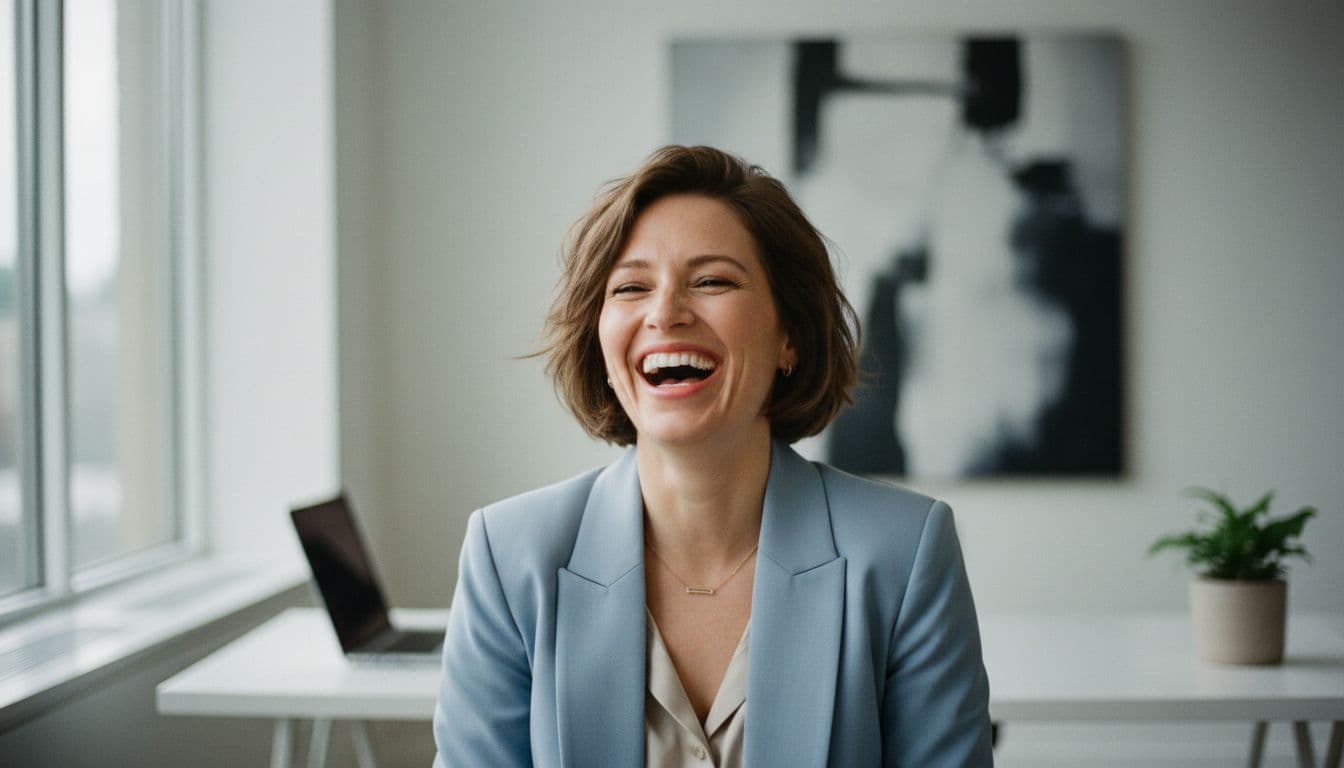
Headshot trends 2026 favor natural light, real backgrounds, and a genuine expression over stiff studio poses and heavy retouching.That's the short version: if you want a photo that looks current, aim for something that feels like a candid moment rather than a posed sitting from a decade ago.
The shift has been building for a few years, but it's fully mainstream now — on LinkedIn, on company team pages, and on dating profiles. This guide walks through exactly what's changed, what still works no matter the year, and how to get a photo that fits 2026, whether you book a photographer or use an AI photo app.
None of this means the old rules of a good photo have disappeared. Sharp focus, good resolution, and a clear view of your face still matter as much as ever. What's changed is the mood: the same technical quality, wrapped in a more relaxed, human presentation. That distinction matters, because chasing the wrong parts of a trend — a blurry "candid" shot instead of a sharp one, for example — can leave you worse off than a slightly dated but technically solid photo.
A headshot trend is a shift in how professional photos are lit, posed, and edited that becomes the shared default for a few years— driven by what platforms, hiring managers, and everyday viewers have gotten used to seeing.
What's New in Headshot Trends 2026
Three forces are pushing headshots away from the old studio look. Hybrid and remote work means more people meet colleagues and clients online before ever meeting in person, so a photo has to do more work to build trust. Social platforms reward photos that look like real moments, not posed sittings. And AI photo apps have made a natural, well-lit portrait available to anyone with a phone, which raised the bar for what a "normal" professional photo looks like.
SelfAI - AI Photo Studio is one of the tools behind that shift: it's an AI photo app that turns a handful of ordinary selfies into natural-looking professional portraits in about two minutes, on iPhone or on the web, styled to match exactly the kind of look this guide describes.
It also helps that the cost of getting this look has dropped. A candid-feeling, naturally lit portrait used to require a skilled photographer who could direct a subject into looking relaxed on command — a genuinely hard skill. Now the same result is available from a phone, which is part of why the "posed studio" look increasingly stands out as the exception rather than the norm.
In: Candid-Feeling Portraits With Natural Light
The single biggest change is lighting and expression. Soft, natural light — window light, golden-hour light, or a well-diffused studio light meant to look natural — has replaced the harder, flatter light of a typical studio flash. Paired with a relaxed, genuine expression instead of a fixed "camera face," the result feels like a moment rather than a sitting.
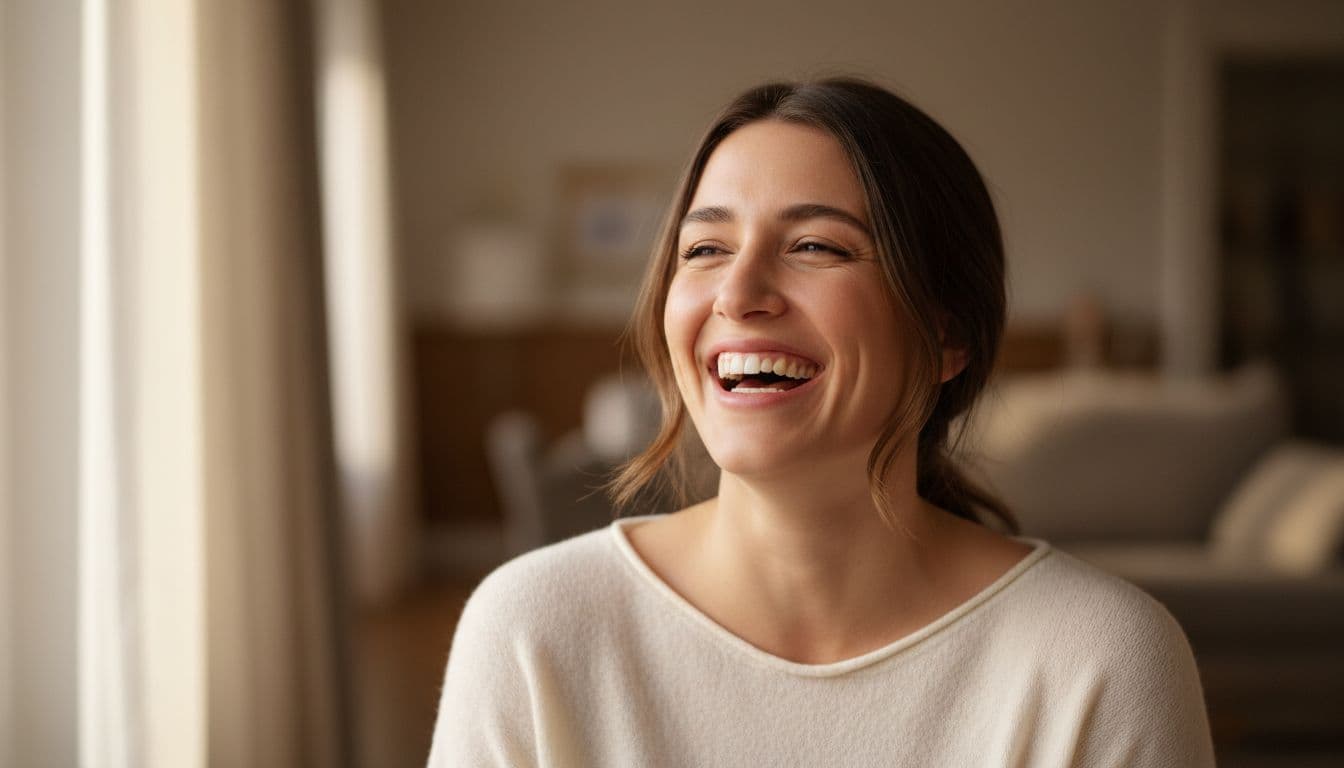
Look for these signs when you're judging whether a photo feels current:
- Soft, directional light. A visible light source and gentle shadow, not a flat, shadowless studio flash.
- A relaxed expression. A slight smile, a laugh, or a thoughtful look — not a fixed, camera-ready grin.
- Natural skin texture. Pores, fine lines, and real texture, lightly cleaned up rather than smoothed away.
- A slight angle. A gentle turn of the shoulders or head instead of a squared, straight-on stance.
The easiest way to think about it: imagine the photo was pulled from a short video of you mid-conversation, rather than a photo you sat and posed for. That's the feeling most current headshots are chasing, whether they come from a photographer or an app.
In: Business-Casual, Not Boardroom-Formal
Wardrobe has loosened up along with everything else. A blazer over a simple top, a button-down without a tie, or a well-fitted sweater now reads as professional in most industries. Solid, muted colors still photograph best, and a full formal suit still makes sense for executive, legal, or finance portraits — but it's no longer the default for everyone.
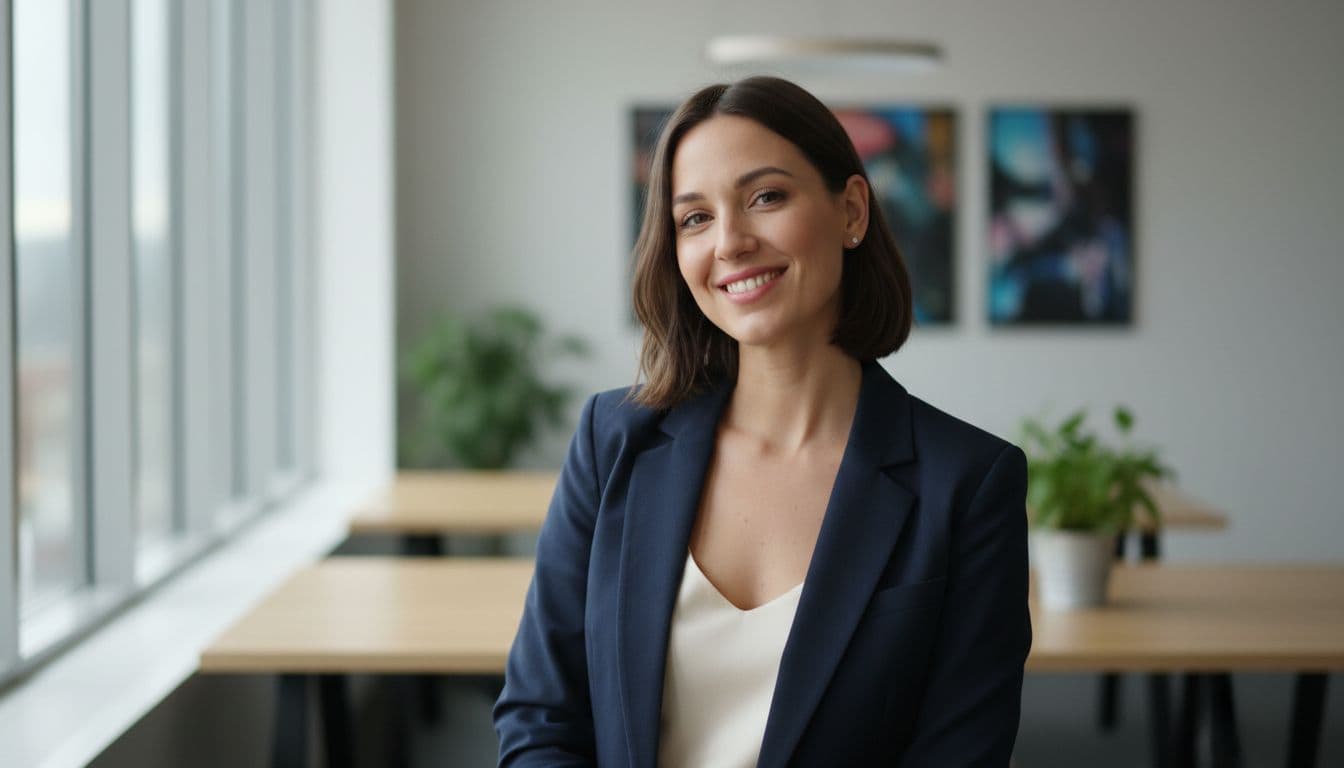
Layering also does a lot of visual work: a blazer over a t-shirt or simple top reads as put-together without looking stiff, and it photographs well across a wide range of skin tones and settings. Patterns tend to distract in a headshot-sized crop, so a solid or subtly textured color close to your natural coloring is usually the safest, most current-looking choice.
This tracks with a broader shift in how people show up for work. Pew Research Center found that among employed adults whose jobs can be done remotely, 75% now work remotely at least part of the time — and hybrid workers are less likely to own a formal "interview suit" look than they were a decade ago, which shows up directly in how people choose to dress for their headshots. For a full breakdown by industry, see our guide on what to wear for headshots.
In: Real Backgrounds Instead of Flat Studio Backdrops
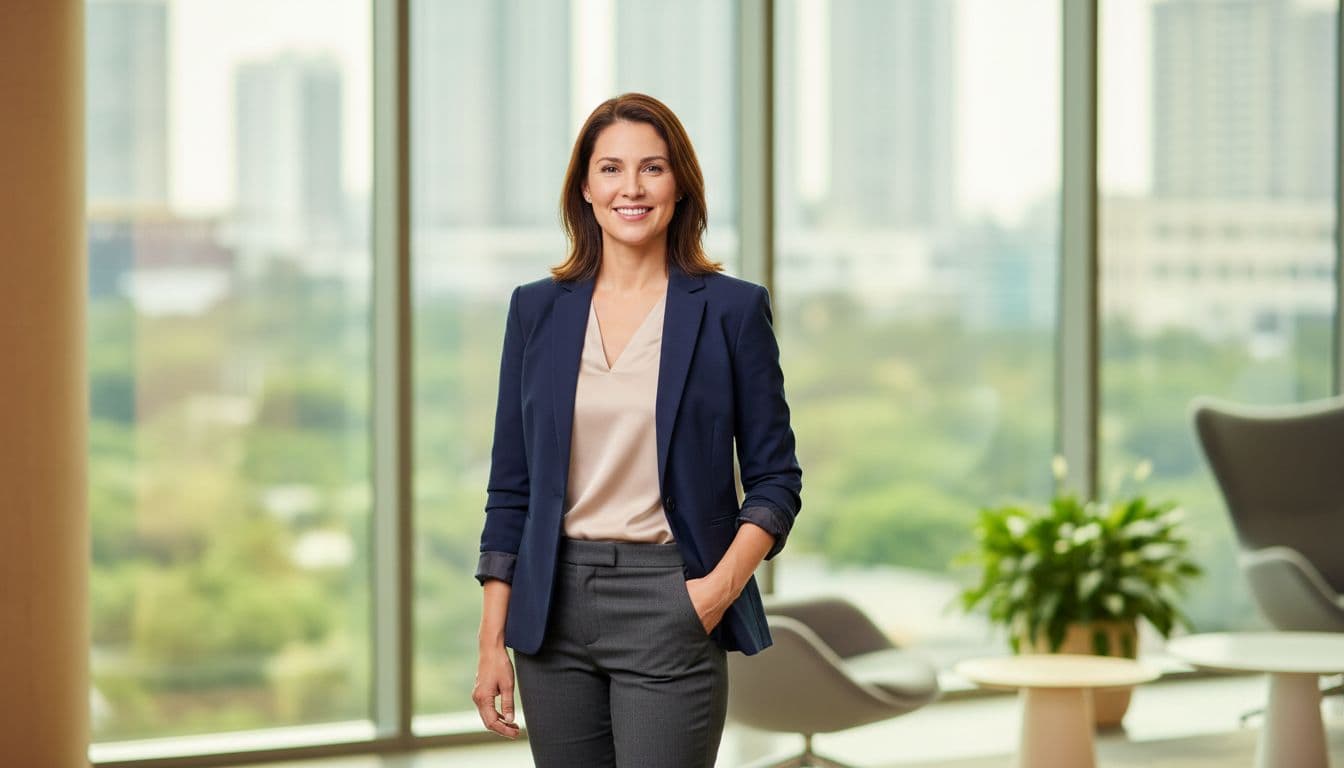
A softly blurred, real-feeling background — a bright window, a plant, a hint of an office or an outdoor setting — has become the preferred look over a flat gray or white studio backdrop. The blur keeps the focus on the face while the setting adds a sense of place, which makes the photo feel less staged.
This doesn't mean any background works. A cluttered or busy scene behind you competes for attention and undercuts the professional feel, which is exactly why the blur matters — it borrows the sense of a real place without any of the distraction. A shallow depth of field, where the background falls softly out of focus while your face stays sharp, is the technical trick behind almost every current-looking portrait.
Out: Heavy Retouching and Plastic-Looking Skin
Editing that smooths away every pore and line now reads as dated, and it can quietly undercut trust. People notice when a photo looks artificially perfect, and that impression forms almost instantly: research out of Princeton Universityfound that people form judgments about a face — including how trustworthy it looks — within about 100 milliseconds, with more viewing time mostly adding confidence rather than changing the verdict. A photo that looks real, not airbrushed, tends to win that split-second read.
- Fading out: fully smoothed, texture-free skin that looks more like an illustration than a photo.
- Fading out: obviously whitened teeth or dramatically slimmed features.
- Still fine: light cleanup — removing a stray hair, evening out lighting, or softening a blemish.
A useful gut check: if a close friend would say "that doesn't look like you" when they see the photo, the editing has gone too far. The goal of a current headshot is to look like your best five minutes, not like a different person.
Out: Rigid, One-Pose Studio Sittings
The squared-to-camera, arms-crossed, single-angle studio pose is the other look fading out. It photographs as stiff and formal in a way that feels increasingly at odds with how people actually meet each other now — over video calls, in casual team photos, and on social profiles where a relaxed, approachable look performs better. A slight turn, a genuine reaction, or a mid-motion moment now reads as more professional, not less.
This is also where variety helps. A traditional sitting often produces one safe, symmetrical shot, while a more current approach favors having a few options — a couple of angles, a couple of expressions — and picking the one that feels most like you, rather than the one that looks most like a passport photo.
2026 Headshot Trends at a Glance
Here's the shift in one table — what's in, what's fading, and what a current photo actually looks like.
| Element | 2026 Status | What It Looks Like |
|---|---|---|
| Lighting | In | Soft natural or window light instead of a hard studio flash |
| Expression | In | A relaxed, genuine smile instead of a fixed camera face |
| Background | In | A real, softly blurred setting instead of a flat backdrop |
| Attire | In | Business-casual layers instead of a stiff formal uniform |
| Retouching | Out | Light, natural editing instead of smoothed "plastic" skin |
| Pose | Out | One relaxed angle instead of a rigid, squared stance |
This kind of shift isn't limited to headshots — it's part of a wider move toward authenticity in how professionals present themselves online, a theme Forbes has covered in its coverage of personal branding trends for 2026. A headshot is often the first piece of that brand people see, which is exactly why it's worth getting right. If you're also refreshing your social presence, our guide to the best photo styles for social media covers the styles that pair well with this look.
How SelfAI Makes This Easy
Getting a 2026-style headshot doesn't require booking a photographer or owning studio lighting. Upload a handful of normal selfies to SelfAI - AI Photo Studio, and the app generates professional portraits with exactly the natural light, relaxed expression, and real-feeling backgrounds this guide describes — ready in about two minutes.
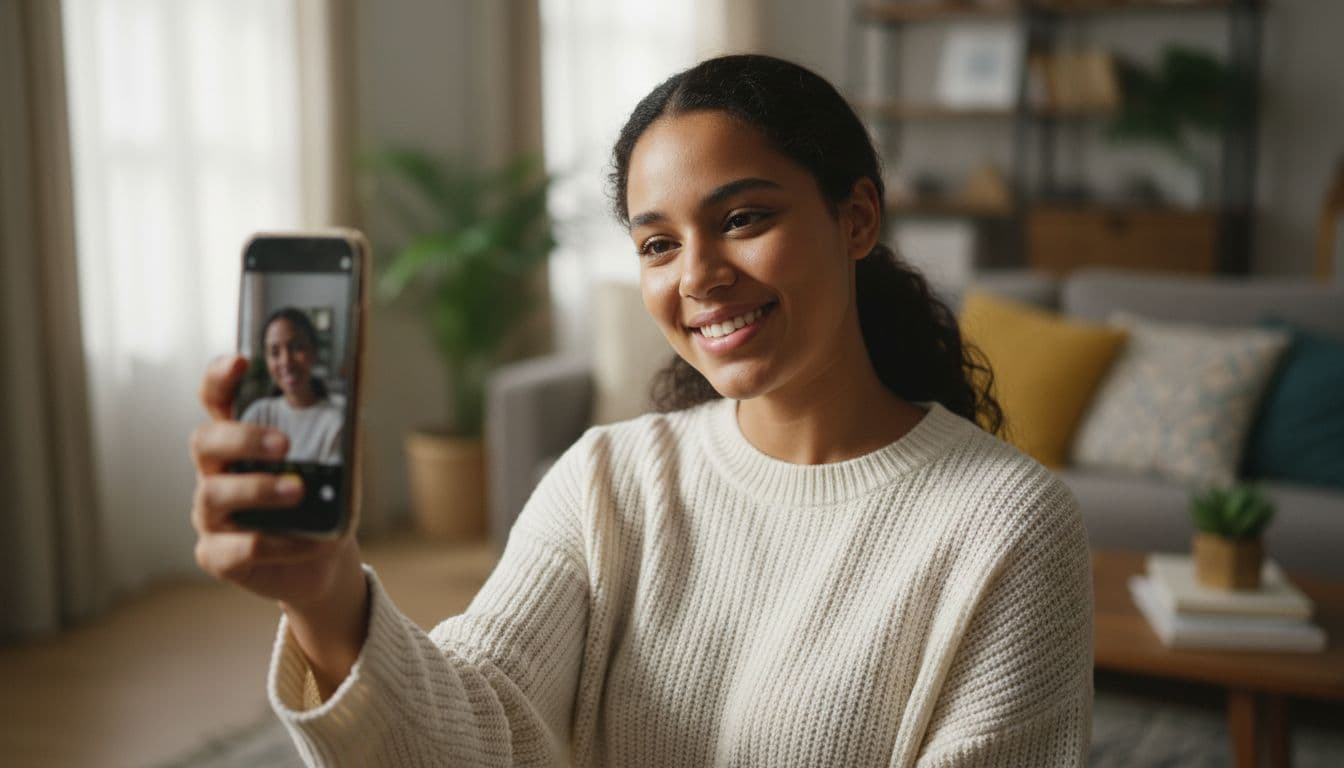
You get dozens of styles to choose from — corporate, natural light, creative, and more — all generated from the same set of selfies, so you can pick the exact look this guide describes instead of guessing what a photographer will deliver. SelfAI works on iPhone and on the web, and it keeps your real features and expression while placing you into a beautifully lit, professionally styled portrait. To get the sharpest results, it helps to know how to take good selfies for AI headshots before you start, and to browse the full style library for ideas.
Because the results come from your own selfies rather than a stock template, they update the moment you do — a new haircut, a few years older, a different setting — without booking a new session. That makes it a practical way to keep a headshot current, not just a one-time fix for this year's trend.
Trends will keep shifting, but the underlying goal doesn't: a photo that looks like a real, relaxed version of you, ready to use wherever a professional photo matters.
Frequently Asked Questions
What is the biggest headshot trend in 2026?
The biggest headshot trend in 2026 is the move toward natural, candid-feeling portraits: soft window light instead of hard studio flash, a genuine relaxed expression instead of a fixed camera smile, and a real, softly blurred background instead of a flat studio backdrop.
Is candid photography replacing traditional studio headshots?
Candid-feeling photography hasn't replaced studio headshots, but it has become the more popular look. Studio sessions still work well for formal executive portraits, while candid-style photos with natural light are now preferred for LinkedIn, team pages, and everyday professional use.
Is heavy retouching still acceptable for professional photos?
Heavy retouching that smooths away skin texture now reads as dated and can feel untrustworthy to viewers. Light, natural editing that keeps real texture and expression is the current standard, since audiences increasingly favor photos that look authentic over ones that look artificially perfect.
What should I wear for a modern headshot in 2026?
Business-casual layers are the current standard: a blazer over a simple top, a button-down without a tie, or a well-fitted sweater. Solid, muted colors photograph best. A full formal suit still works for executive or legal portraits, but it now reads as more traditional than necessary for most roles.
Do I need a real photographer to get a 2026-style headshot?
No. A photographer is one way to get this look, but an AI photo app can produce the same natural lighting, real-feeling backgrounds, and relaxed expressions from a handful of selfies, usually in a couple of minutes and for a fraction of a studio session's price.
How often should I update my professional headshot?
Most people should refresh their professional headshot every one to two years, or sooner if their appearance, hairstyle, or role has changed noticeably. An outdated photo can undercut an otherwise strong LinkedIn profile or resume, so treat it as a routine update, not a one-time task.
What background works best for a current-looking headshot?
A softly blurred, real-feeling background works best right now, whether that's a bright window, a plant, or a hint of an office or outdoor setting. A flat gray or white studio backdrop still works but reads as more dated than a background with some natural depth to it.
Written by
Sarah Brunner
Content Writer & Portrait Photography Editor
Sarah writes about professional headshots, personal branding, and how AI is changing the way people present themselves online. She tests every portrait style she recommends and turns what she learns into practical, no-nonsense guides for readers who want photos they actually like.
More articles by SarahGet a Headshot That Fits 2026
Download SelfAI and turn your selfies into natural, current-looking professional headshots in minutes. Free to start on iOS and Web.