Founder Headshots: Photos That Match Your Personal Brand
Founder headshots that build trust with investors and customers. The styles that work, where they get used, mistakes to avoid, and how to get one in minutes.

8 min read

A founder headshot is the photo that represents you personally across LinkedIn, your company's about page, pitch decks, and press — and for most founders it works harder than any other photo they own.Investors, journalists, customers, and candidates all form a snap judgment from it before they read a word you've written. Get it right and it quietly builds trust before the first meeting; get it wrong and it can undercut a strong pitch.
A founder headshot is a professional photo of a startup or company founder, used specifically to represent them as an individual — on LinkedIn, the company website, investor materials, and media coverage — rather than as a generic employee. Unlike a standard corporate headshot, it has to carry a personal brand, not just a job title.
Getting one used to mean booking a studio session around a fundraising trip. SelfAI - AI Photo Studio is an AI photo app that turns a set of ordinary selfies into professional headshots, business portraits, and profile pictures in about two minutes, on iPhone and on the web — which is why more early-stage founders use it instead of scheduling a photographer between meetings.
Why Your Founder Headshot Carries More Weight Than You Think
Founders are judged faster and more personally than most professionals. Research from Harvard Business Review on first impressionsshows people judge someone's competence within a tenth of a second of seeing their face, long before they read a bio or a deck. For a founder, that snap judgment happens on LinkedIn, on a fundraising deck's team slide, in a press photo, and on the company's own about page — sometimes all in the same week.
Trust compounds that effect. A Forbes report on how entrepreneurs build trust in their personal brandspoints to Edelman research showing trust ranks among the top three factors that shape a buying decision, and Nielsen data showing 92% of consumers trust earned, third-party coverage more than a brand's own advertising. A founder's photo is part of that earned trust: it's the face attached to every quote, every LinkedIn post, and every interview, and it either reinforces the story or quietly works against it.
The same Forbes reporting notes that photos from speaking gigs and public appearances act as social proof on their own, separate from anything you say in them. A consistent, recognizable photo works the same way: readers who see your face attached to one more credible mention start to recognize it before they ever read your name, which is exactly the kind of quiet compounding a strong personal brand relies on.

The Founder Photo Styles That Work (and What Each One Signals)
Not every founder needs the same photo. The right founder headshot style depends on the company you're building and the room you're walking into — browse the full set of AI portrait stylesand you'll notice a handful come up again and again for founders specifically.
| Style | Best For | What It Signals |
|---|---|---|
| Corporate Headshot | Enterprise SaaS, fintech, and B2B founders raising institutional capital | Polished, buttoned-up, ready for a boardroom |
| Natural Light | Consumer, wellness, and community-led brands | Approachable, human, founder-market fit |
| Studio Portrait | Series A+ founders doing press, keynotes, or a major launch | Authority and press-ready production value |
| Minimalist Clean | Deep tech, engineering-led, and technical founders | Understated and credible, lets the work speak |
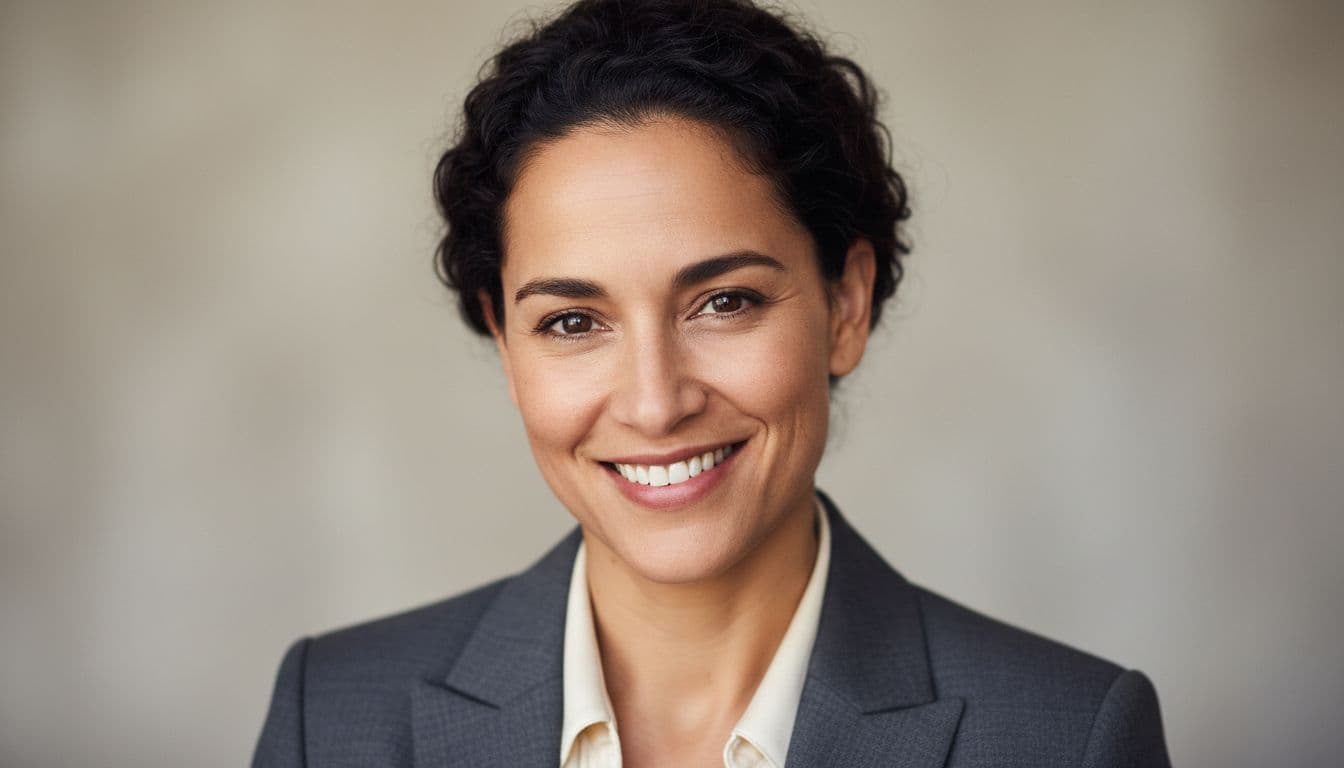
Most founders end up needing more than one. A pitch deck often calls for the same polished tone as a corporate headshot, while a founder's personal LinkedIn presence tends to land better with something warmer. Since AI photo apps generate dozens of variations from one set of selfies, it costs nothing extra to keep two or three styles on hand for different situations.
Where a Founder Headshot Actually Gets Used
It rarely lives in just one place, which is exactly why a founder headshot needs to hold up on its own rather than as part of a team page grid. In practice, expect it to show up on:
- LinkedIn. Your profile photo and every post you make carry it. LinkedIn's own guidance for professionals favors a genuine, approachable photo over an overly posed studio shot, which is worth keeping in mind for our full LinkedIn profile photo guide.
- The company "About" or team page. Often the only photo a prospective customer or hire ever sees of you.
- Pitch deck team slides. Investors size up a founding team partly on how it presents itself.
- Press kits and media mentions. Journalists reuse whatever photo you supply, so it needs to work at any size.
- Podcast and conference bios. Usually cropped small, so a cluttered background or a distant shot gets lost.
- Email signatures. A small but constant, everyday touchpoint with customers and partners.
What Makes a Founder Headshot Different From a Standard Corporate Headshot?
A standard corporate headshot is designed for consistency: the same background, the same lighting, the same crop, repeated across an entire team directory so nobody stands out. It works against that logic on purpose. It has to stand alone — next to your name in a press byline, on a single pitch deck slide, or as the only photo on your personal LinkedIn — so it needs to carry your personal brand rather than blend into a company-wide template. If you're photographing the rest of the team too, our guide to team headshots without a photographer covers how to keep everyone else consistent while you keep your own photo distinct.
Common Founder Headshot Mistakes to Avoid
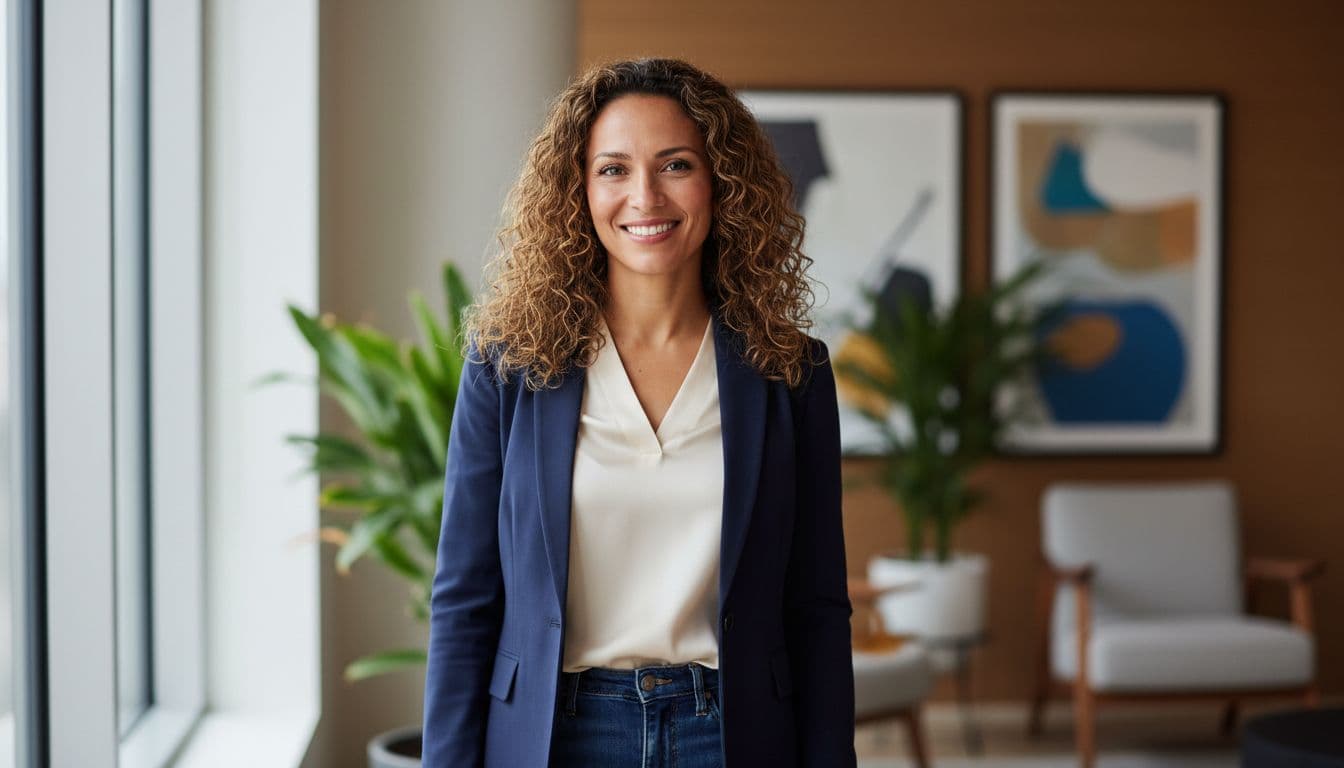
- Looking over-posed. A stiff, forced smile reads as less trustworthy than a relaxed, genuine expression, even in a formal style.
- Using an outdated photo. A headshot from three funding rounds ago can create a jarring gap between the photo and the person in real life.
- A background that competes. A busy office, a logo wall, or visual clutter behind you pulls attention away from your face.
- Chasing someone else's exact look. Copying another founder's aesthetic detail for detail tends to read as try-hard rather than authoritative.
- Only having one version. The photo that works on a pitch deck isn't always the one that works best on a personal LinkedIn post.
None of these are dramatic failures on their own, but they add up. This kind of photo gets reused far more often than most people expect — by journalists pulling a photo for a story, by conference organizers building a speaker page, by a candidate researching the team before an interview — and each of those moments is a small, quiet test of whether the photo still looks like a credible, current version of you.
How to Get a Founder Headshot That Still Looks Like You
Whichever route you take, a few habits make the biggest difference in whether the final photo actually looks like you:
- Start from recent photos. Selfies from the last few months give the most accurate likeness, especially if your hairstyle or facial hair has changed.
- Keep the expression natural. A relaxed, closed or slightly open smile tends to photograph as more approachable than a wide, forced one.
- Use soft, even light. Window light or diffused indoor lighting avoids harsh shadows that a busy schedule rarely leaves time to fix in post.
- Pick two or three finishes. One polished style for press and pitch decks, one warmer style for LinkedIn and social — both from the same set of source photos.

How SelfAI Makes This Easy
This is exactly the gap SelfAI is built to close. Upload five to ten recent selfies, choose from styles like Corporate Headshot, Natural Light, Studio Portrait, and Minimalist Clean, and get a full set of professional founder headshots back in about two minutes — no studio booking, no waiting between a fundraising trip and a launch date. For the broader case on how AI photo apps compare to other options, see our guide to the best AI photo app in 2026.
Because the results come from your own selfies, the photo still looks like you, not like a generic AI face. That matters more for founders than almost anyone else: your headshot gets compared to the real you constantly, in investor meetings, on stage, and in the office, so it has to hold up under that scrutiny rather than just look good on a screen.
Frequently Asked Questions
What is a founder headshot?
A founder headshot is a professional photo of a startup or company founder used to represent them personally — on LinkedIn, the company website, pitch decks and in press coverage. It differs from a standard employee headshot because it has to communicate personal brand and carry a founder's story on its own, not as one face among a team page.
How is a founder headshot different from a regular corporate headshot?
A regular corporate headshot is usually shot in one consistent style for an entire team directory. A founder headshot has to work on its own — on a pitch deck slide, in a press article, and on LinkedIn — so it needs a look that reflects the founder's personal brand, not just company-wide consistency.
What should a founder wear for a headshot?
Solid, mid-tone colors photograph best and avoid distracting from your face. Match the outfit to your industry: a tailored blazer suits fintech and enterprise SaaS, while a clean button-down or quality knit reads as approachable for consumer and community-led brands. Avoid busy patterns, logos, and anything that will look dated in two years.
Do founders need a professional photographer for a headshot?
No. An AI photo app like SelfAI can turn a handful of recent selfies into professional-looking founder headshots in about two minutes, without booking a studio session. It's a practical option for early-stage founders who need a credible photo now and can't build a photoshoot into a fundraising or launch schedule.
How often should founders update their headshot?
Most founders should refresh their headshot every one to two years, or sooner after a major appearance change, a rebrand, or a new funding round where the photo will appear in press coverage. An outdated photo that no longer looks like you can undercut trust the moment someone meets you in person.
Should a founder headshot look formal or approachable?
It depends on the company. B2B and fintech founders raising institutional capital often lean toward a polished, buttoned-up style, while consumer and community-led founders benefit from a warmer, natural-light look. Most founders are best served by having two or three style variants ready for different contexts rather than picking just one.

Written by
Sarah Brunner
Content Writer & Portrait Photography Editor
Sarah writes about professional headshots, personal branding, and how AI is changing the way people present themselves online. She tests every portrait style she recommends and turns what she learns into practical, no-nonsense guides for readers who want photos they actually like.
More articles by SarahReady for a Founder Headshot That Matches Your Brand?
Download SelfAI and turn your selfies into professional founder headshots in minutes. Available free on iOS and Web.