Black and White Headshots: When They Work and How to Get the Look
Black and white headshots suit some jobs and photos, not all of them. See when to go monochrome, when to pick color, and how to get the look in minutes.

7 min read
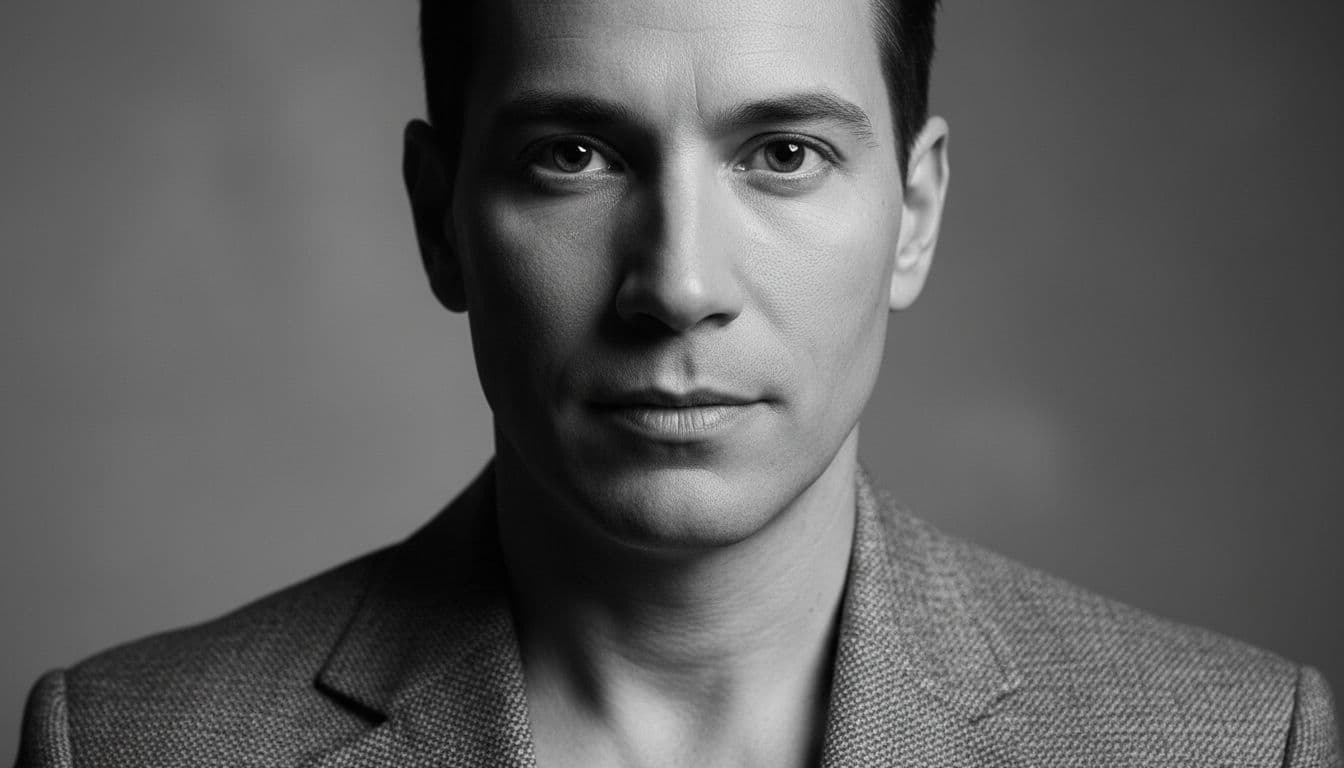
A black and white headshot is a professional portrait with the color removed, leaving only light, shadow and expression. It is one of the oldest looks in portrait photography, and in 2026 it is still a genuinely good choice for certain jobs, industries and photos — just not for all of them. This guide covers exactly when the look works, when color is the smarter pick, and how to get either one without booking a studio.
SelfAI - AI Photo Studio is an AI photo app that turns ordinary selfies into professional headshots — in full color or in classic black and white — in about two minutes, on iPhone and on the web. Everything below applies whether you end up hiring a photographer, editing a photo yourself, or generating one with an app.
What Is a Black and White Headshot?
A black and white headshot is a close-up professional portrait rendered in grayscale instead of color, so the image is built entirely from tones between pure white and pure black. Removing color strips away distractions like a busy shirt pattern or an off-color background, and puts the full weight of the photo on facial structure, expression and the way light falls across the face.
The look has a long history in editorial and portrait photography. According to Wikipedia's overview of black-and-white photography, monochrome imagery remained the dominant format for decades even after color film became widely available, because photographers and editors kept choosing it for its clarity and gravitas. That history is part of why the format still reads as serious and timeless today.
When Do Black and White Headshots Work Best?
A black and white headshot earns its place when the goal is to look serious, timeless or artistically deliberate. It tends to work best in these situations:
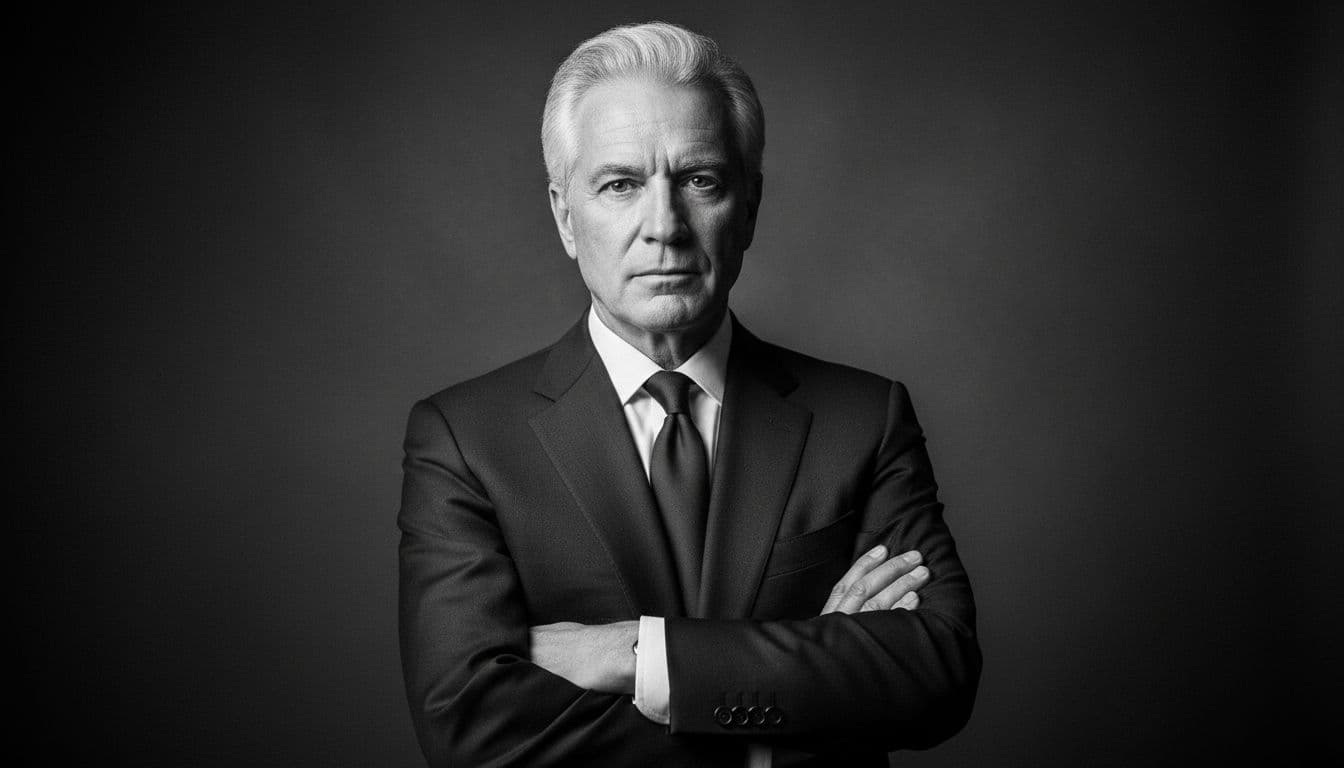
- Executive and leadership bios. A monochrome portrait on a company's leadership page reads as authoritative and understated.
- Authors and public speakers. Book jackets, speaker bios and press kits have used black and white portraits for generations, and the association still holds.
- Actors and other creative professionals. Classic monochrome headshots remain a standard submission format in casting and talent circles.
- Personal branding for consultants and academics. A calm, monochrome portrait suggests expertise without looking like a marketing photo.
- Anyone who wants a clean, uncluttered look. Black and white hides a mismatched background or an imperfect outfit color better than a color photo does.
When Should You Choose Color Instead?
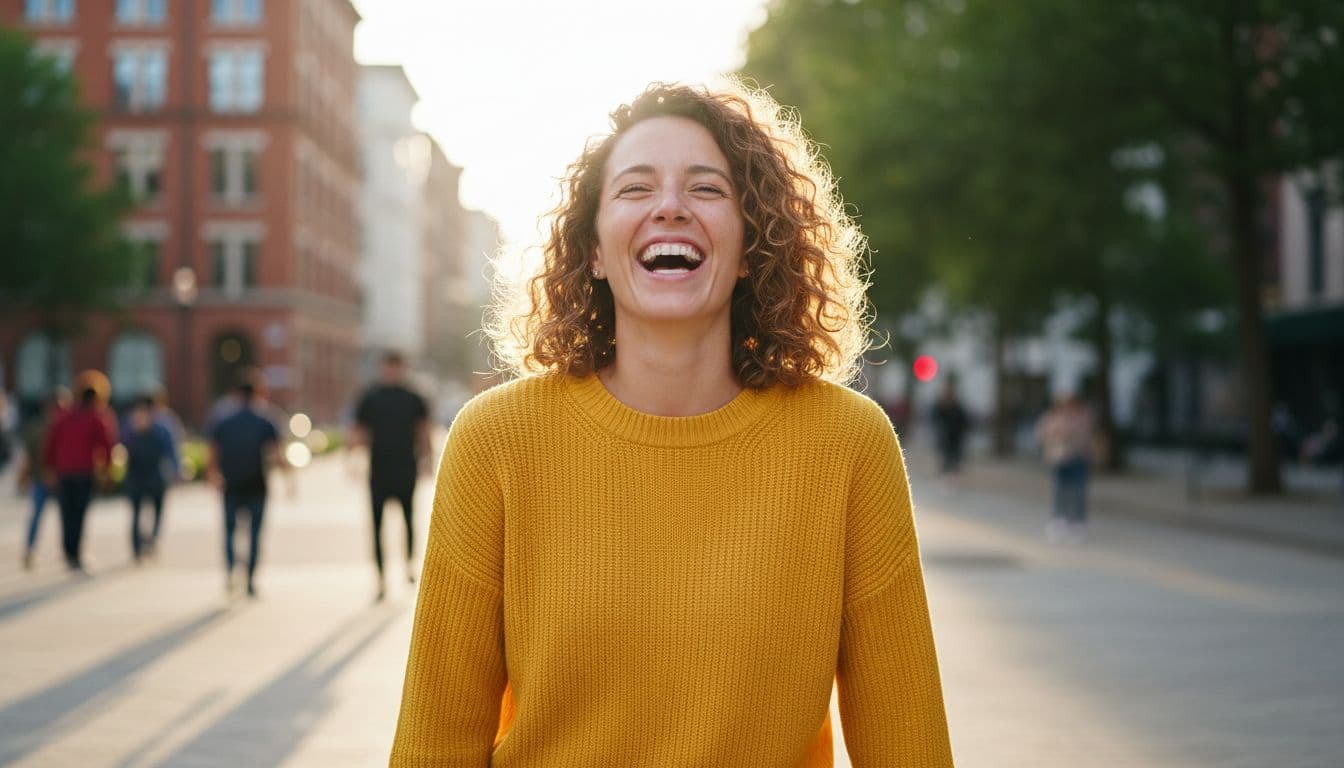
Color is usually the better call whenever warmth, energy or approachability matters more than gravitas. A few common cases:
- Dating profiles. Color signals warmth and real-life detail, both of which matter far more on a dating app than on a corporate bio page.
- Real estate and sales. Buyers and clients often respond better to a friendly, approachable color photo than a formal monochrome one.
- Social media feeds. On Instagram or TikTok, a color profile photo blends more naturally with a colorful feed and everyday posts.
- Anything that needs to show brand colors. A company polo, a specific background color, or a product shot loses meaning in grayscale.
Research published in the Journal of Consumer Research found that black-and-white imagery tends to push viewers toward more abstract, big-picture thinking, while color imagery keeps attention on concrete, immediate detail. That is a useful way to decide: pick black and white when you want to be remembered for a general impression of authority, and pick color when the specific, tangible details of the moment are the point.
What Makes a Black and White Headshot Look Professional, Not Dated
A monochrome headshot looks dated when the lighting is flat, not because it lacks color. A few things separate a sharp, modern portrait from a tired-looking one:
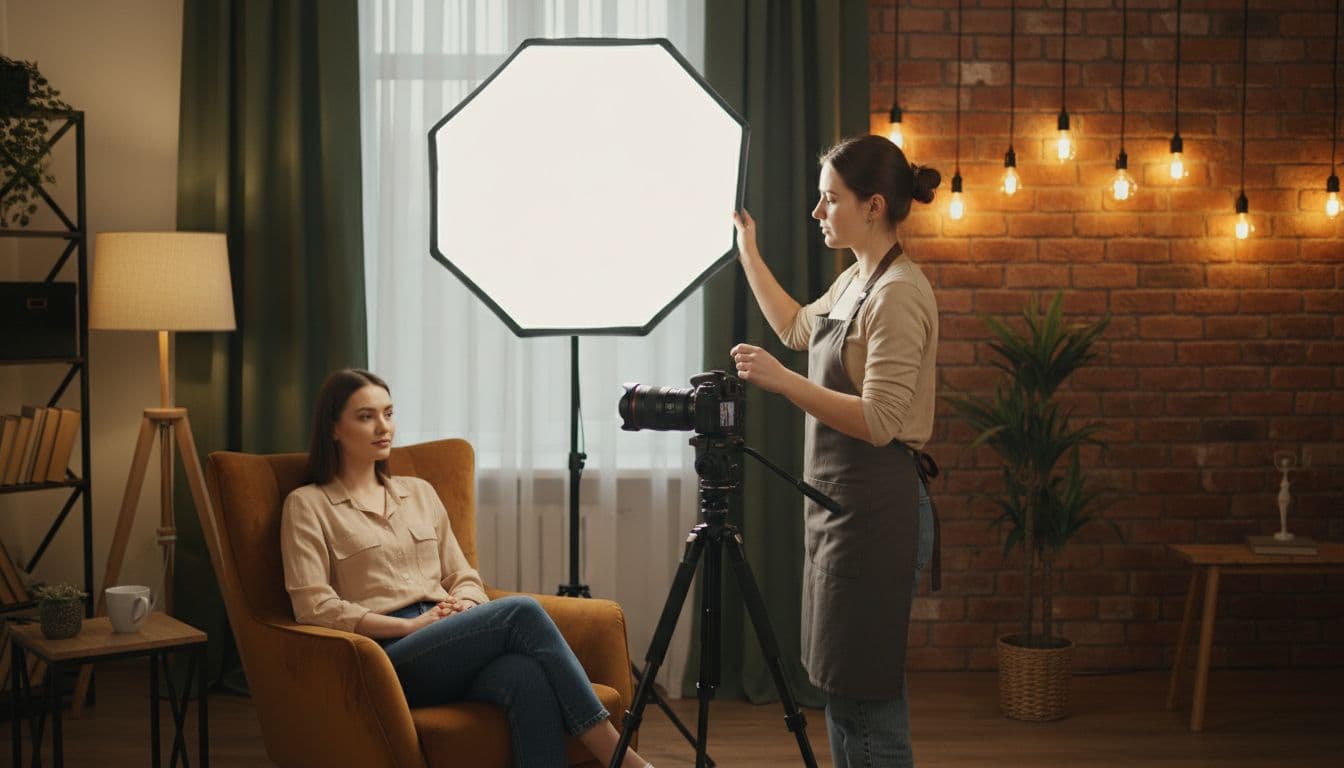
- Directional light. Light coming from one clear side of the face creates the shadow and contrast that makes a monochrome portrait feel three-dimensional instead of flat.
- A simple background. A plain dark or light backdrop keeps attention on the face, since there is no color to separate a busy background from the subject.
- Sharp focus on the eyes. Without color to hold interest, sharp, well-lit eyes become the single most important detail in the frame.
- Real contrast between light and shadow. Weak, even lighting turns gray and muddy in monochrome; strong contrast is what gives the format its character.
- A relaxed, natural expression. A stiff pose reads as even stiffer once color is removed, so a calm, genuine expression matters more here than in a color shot.
Interestingly, the brain does some of this work automatically. A 2013 study published in the journal Current Biologyfound that viewers' visual cortex activates the color it expects to see even when looking at a grayscale image of something with a familiar color, such as skin tone. In practice, that means a well-lit monochrome portrait of a real, familiar face already feels natural to the brain — it does not need color to look convincingly human.
Black and White vs. Color Headshots: A Side-by-Side Look
Neither format is universally better — the right choice depends on the situation. Here is how the two compare across common use cases.
| Situation | Black and White | Color |
|---|---|---|
| Executive / leadership bio | Strong choice — reads as authoritative and understated | Works, but can feel more like a marketing photo |
| Actor or author headshot | Traditional, widely expected format | Increasingly common, but less classic |
| General LinkedIn profile | Good for law, finance, academia and the arts | Safer default for most other industries |
| Dating profile | Rarely the best choice | Strong choice — signals warmth and detail |
| Real estate or sales | Can feel too formal | Strong choice — friendlier and more approachable |
| Creative portfolio or editorial bio | Strong choice — timeless, gallery-style feel | Works if your work itself is colorful |
How to Get a Black and White Headshot
There are three practical ways to end up with a good one, from the most traditional to the fastest.
- Hire a photographer who shoots for monochrome. An experienced portrait photographer will light the session with black and white conversion in mind, since the ideal lighting for color and for monochrome is not always identical.
- Convert an existing color headshot. Most phone photo apps and desktop editors include a grayscale or black-and-white filter. This works best when the original photo already has good contrast and directional light.
- Generate one with an AI photo app. Upload a set of selfies and choose a black and white or monochrome style, and the app builds studio-style lighting and contrast around your face automatically, without a photographer or manual editing.
How SelfAI Makes This Easy
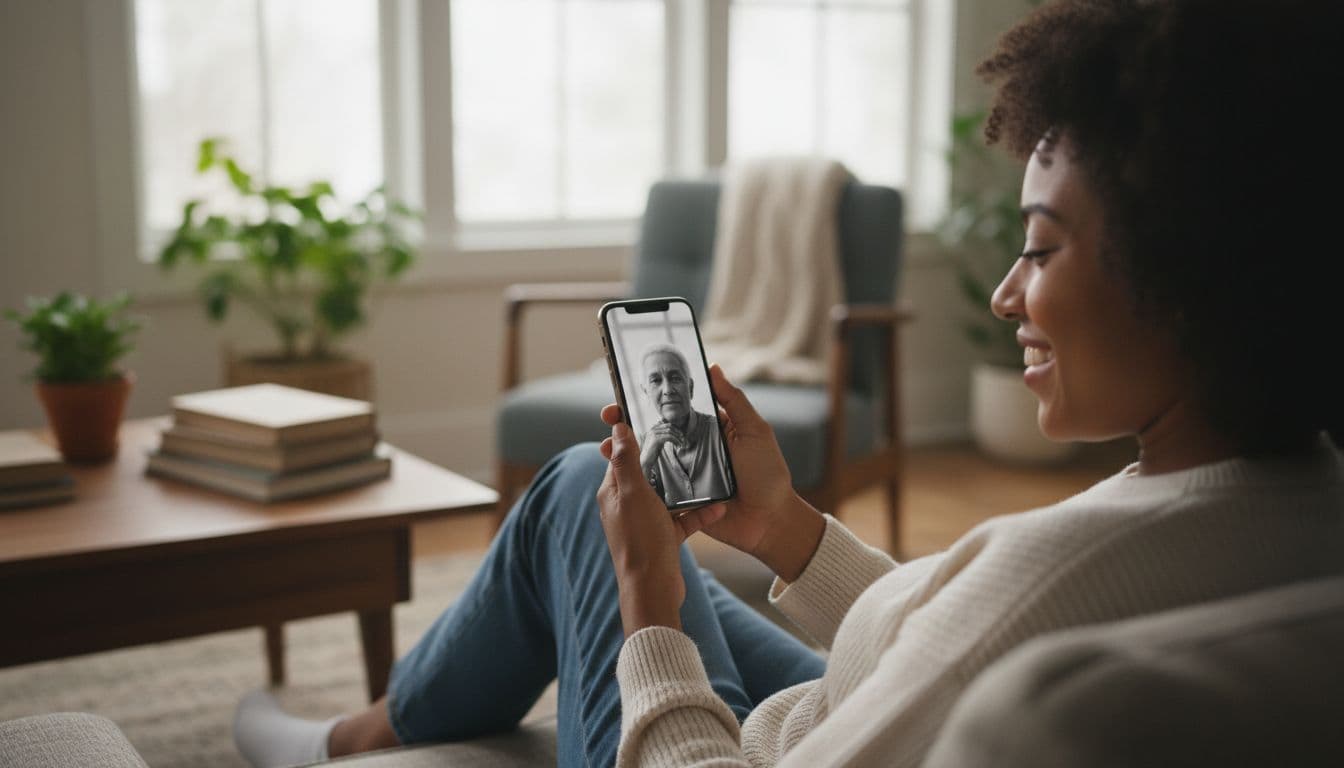
SelfAI builds black and white options directly into its style library, so you are not stuck converting a color photo after the fact and hoping the lighting holds up in grayscale. You upload a handful of ordinary selfies, choose a classic monochrome style alongside the corporate, natural-light and creative color options, and get back a full set of professional-looking portraits in about two minutes.
Because every style is generated from your own selfies, your real features and expression carry through whether you pick black and white or color — so you can compare both looks side by side before deciding which one fits the job, the platform or the bio you are updating. If you are choosing a photo for a specific platform, our guide to photo styles for every social media platform and our LinkedIn profile photo guide both cover what tends to perform best where. And if you want the fuller picture of how an AI headshot app decides what makes a good result in the first place, our breakdown of the criteria behind the best AI headshot generator app walks through it in detail. You can also browse the full range of looks on the SelfAI styles page before you upload a single selfie.
Frequently Asked Questions
Are black and white headshots professional?
Yes, a black and white headshot reads as professional in most industries, especially for executives, authors, actors and other creative or leadership roles. It works because removing color puts all the attention on expression, structure and lighting rather than on skin tone or wardrobe color.
Is a black and white headshot good for LinkedIn?
A black and white headshot can work well on LinkedIn, particularly in law, finance, publishing, academia and the arts, where it reads as serious and timeless. For sales, real estate or customer-facing roles, a color photo often performs better because it feels warmer and more approachable.
How do I turn a color headshot into black and white?
You can convert an existing color headshot with the black-and-white or grayscale tool built into most phone photo editors, a desktop editing program, or an AI photo app that offers monochrome portrait styles directly. The best results start from a photo with strong lighting and contrast, since flat lighting looks even flatter once the color is removed.
Do black and white headshots look outdated?
A well-lit black and white headshot does not look outdated; it looks deliberate, because the format has been a standard in editorial and portrait photography for over a century. A headshot looks dated when the lighting is flat or the pose is stiff, not because it lacks color.
What is the best black and white headshot style for executives?
The best black and white headshot style for executives uses soft directional lighting, a plain dark or neutral background, sharp focus on the eyes, and a calm, direct expression. High contrast between light and shadow reads as confident and authoritative without feeling harsh.
Can an AI photo app create black and white headshots?
Yes, an AI photo app can generate black and white headshots directly from your selfies, applying studio-style monochrome lighting without a photographer or a manual editing step. SelfAI - AI Photo Studio includes classic black and white styles alongside its color options.
Written by
Sarah Brunner
Content Writer & Portrait Photography Editor
Sarah writes about professional headshots, personal branding, and how AI is changing the way people present themselves online. She tests every portrait style she recommends and turns what she learns into practical, no-nonsense guides for readers who want photos they actually like.
More articles by SarahReady to Try Black and White Headshots for Yourself?
Download SelfAI and turn your selfies into professional headshots — in color or classic black and white — in about two minutes. Free to try on iOS and on the web.